
Why Most Skincare Products Stop Working After 30 (And What to Do Instead)
Introduction: “My Skincare Worked Before… Now It Doesn’t”
This is one of the most common concerns among people in their early 30s:
“I’m using the same products that worked in my 20s, but my skin doesn’t respond anymore.”
This is not a product failure.
It is a biology shift.
After 30, your skin changes how it behaves, repairs, and responds—and skincare must evolve with it.
What Actually Changes in Skin After 30?
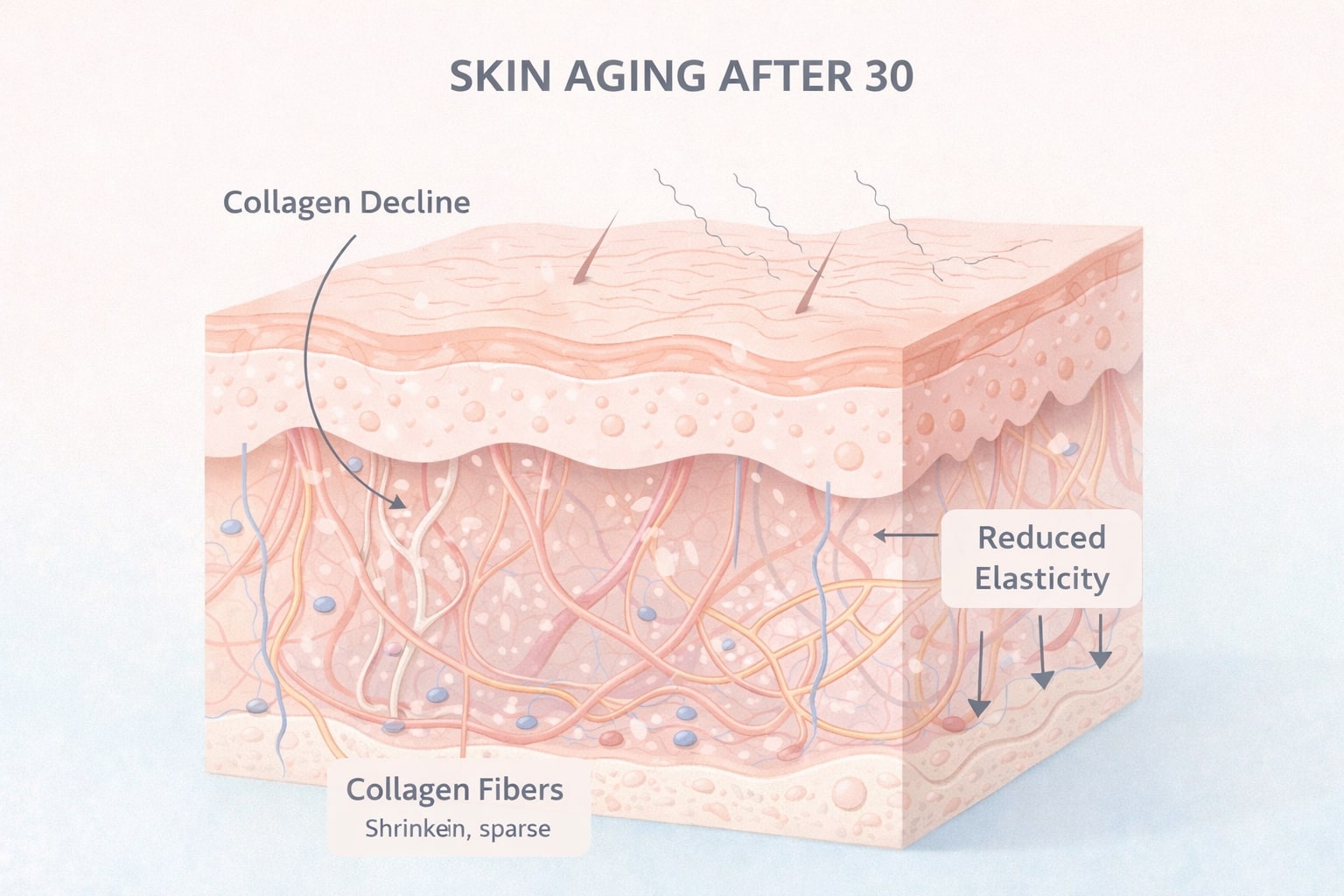
Around the age of 30, skin begins to experience gradual biological slowdown.
Key changes include:
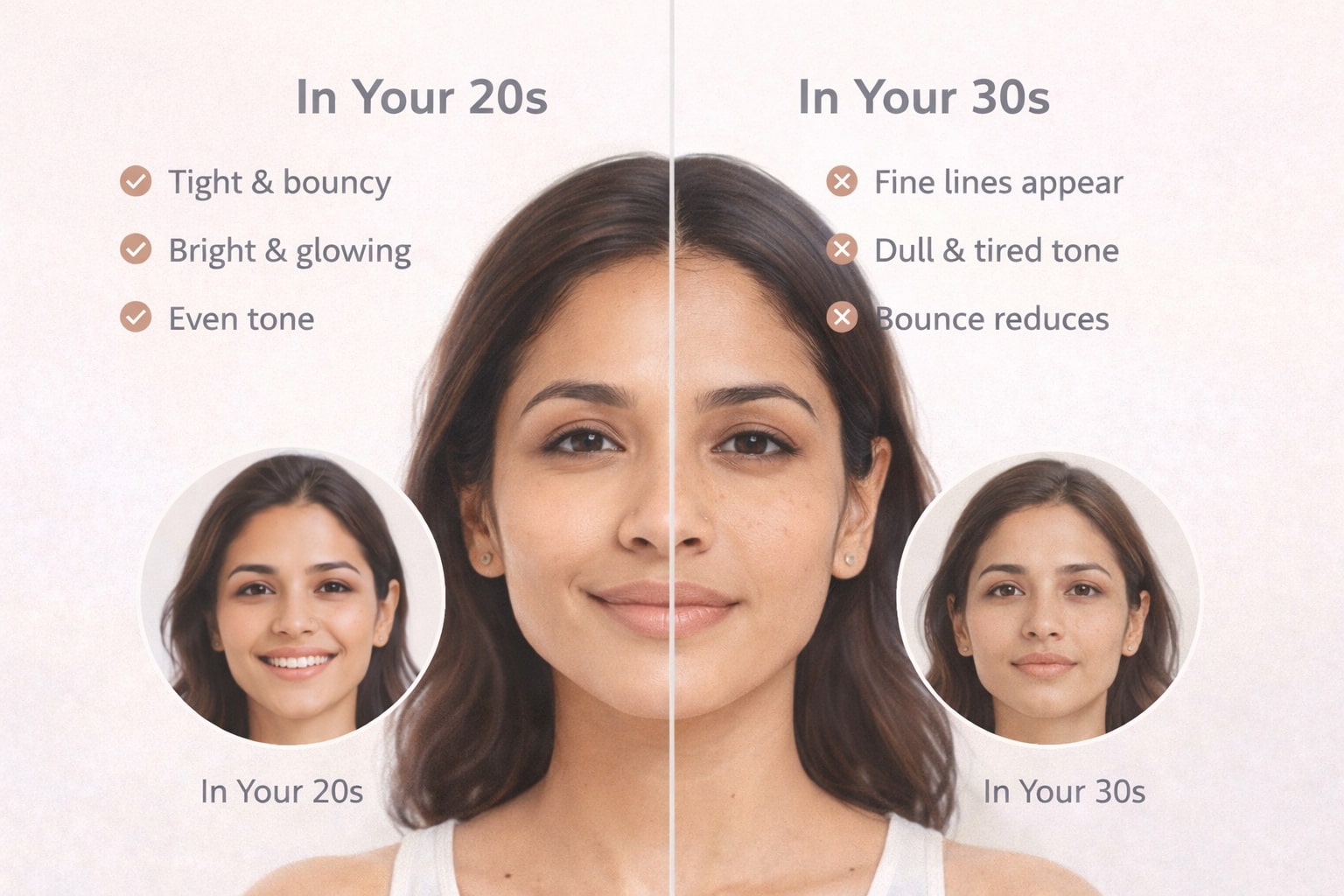
1️⃣ Collagen Production Declines
- Skin loses firmness
- Fine lines appear
- Bounce reduces
2️⃣ Cell Turnover Slows
- Dead cells accumulate
- Dullness increases
- Products absorb poorly
3️⃣ Barrier Recovery Weakens
- Skin becomes sensitive
- Dehydration increases
- Irritation lasts longer
4️⃣ Oxidative Damage Accumulates
- Pollution + UV damage adds up
- Pigmentation becomes stubborn
These changes are subtle at first—but cumulative.
Why Products from Your 20s Stop Delivering Results
Skincare in your 20s focuses mainly on:
- Cleansing
- Basic hydration
- Oil control
- Occasional brightness
After 30, skin requires:
- Repair
- Protection
- Cellular support
- Anti-inflammatory care
Using basic products after 30 is like watering a plant with damaged roots.
The Biggest Mistake People Make After 30
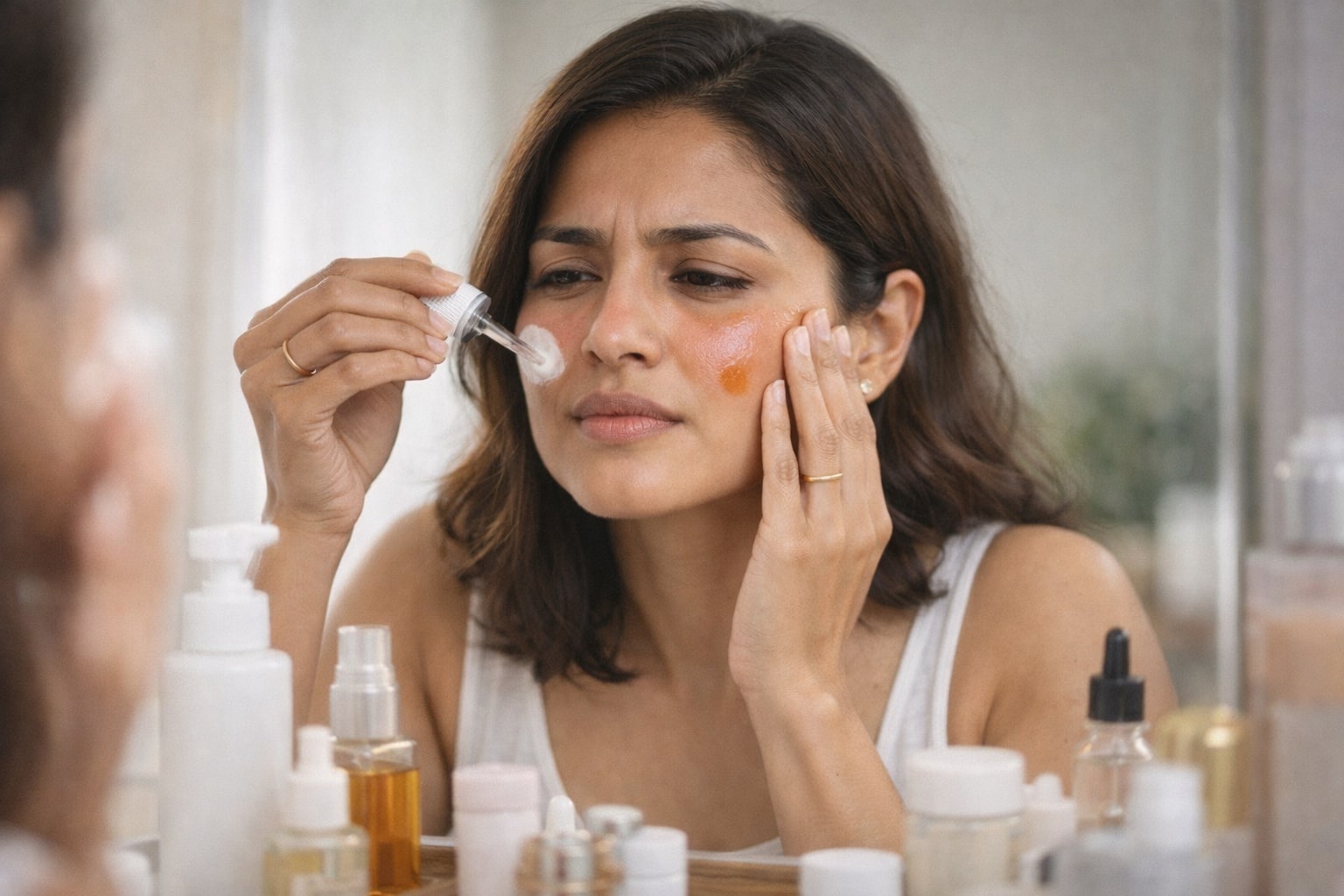
The biggest mistake is adding more products instead of smarter products.
This leads to:
- Over-layering
- Irritation
- Breakouts
- Barrier damage
What skin needs after 30 is targeted science, not volume.
Why Ageing Skin Needs Repair, Not Just Anti-Ageing Claims
Anti-ageing is often misunderstood.
True anti-ageing means:
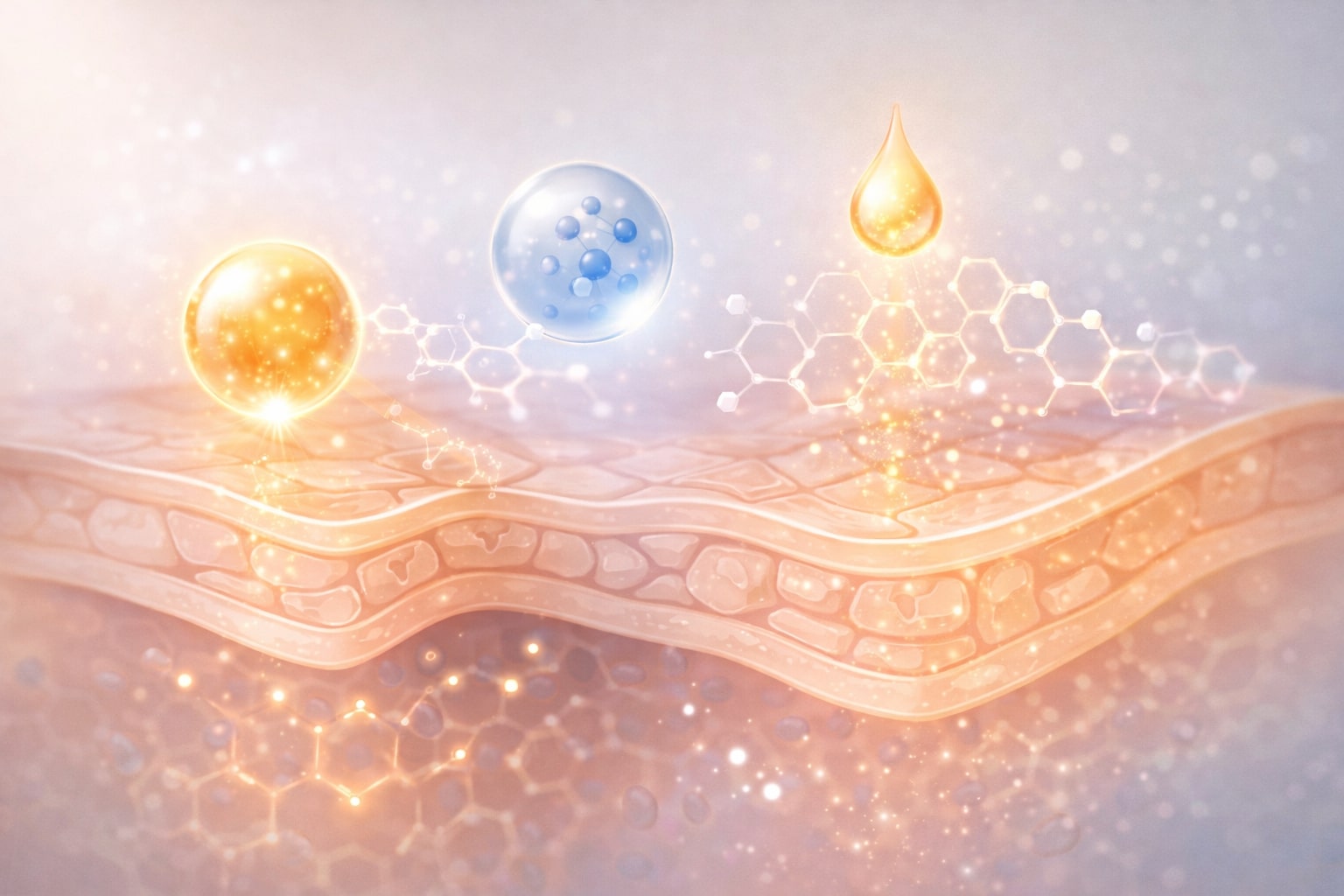
- Supporting cell energy
- Improving repair cycles
- Reducing daily damage
This is why dermatologists focus on:
- Antioxidants
- Barrier repair
- Night-time regeneration
Not just wrinkle fillers or instant firming agents.

The Role of Cellular Energy in Ageing Skin
One of the most overlooked aspects of skin ageing is cellular fatigue.
As skin ages:
- Cells produce less energy
- Repair slows
- Inflammation lingers
Ingredients that support cellular function, such as NAD+, help:
- Improve recovery
- Enhance renewal
- Support long-term skin health
This is modern dermatology, not cosmetic marketing.

Why Indian Skin Ages Differently After 30
Indian skin:
- Shows fewer early wrinkles
- Develops pigmentation faster
- Suffers more from dullness
- Reacts strongly to inflammation
This means:
- Western anti-ageing routines often don’t work
- Harsh actives can worsen pigmentation
- Indian skin needs gentle but intelligent repair.

How to Upgrade Your Skincare After 30
Instead of chasing trends, focus on:
- Stable antioxidants (morning)
- Repair-focused serums (day & night)
- Hydration that strengthens barrier
- Sunscreen discipline
- Consistency over intensity
This approach delivers visible and sustainable improvement.

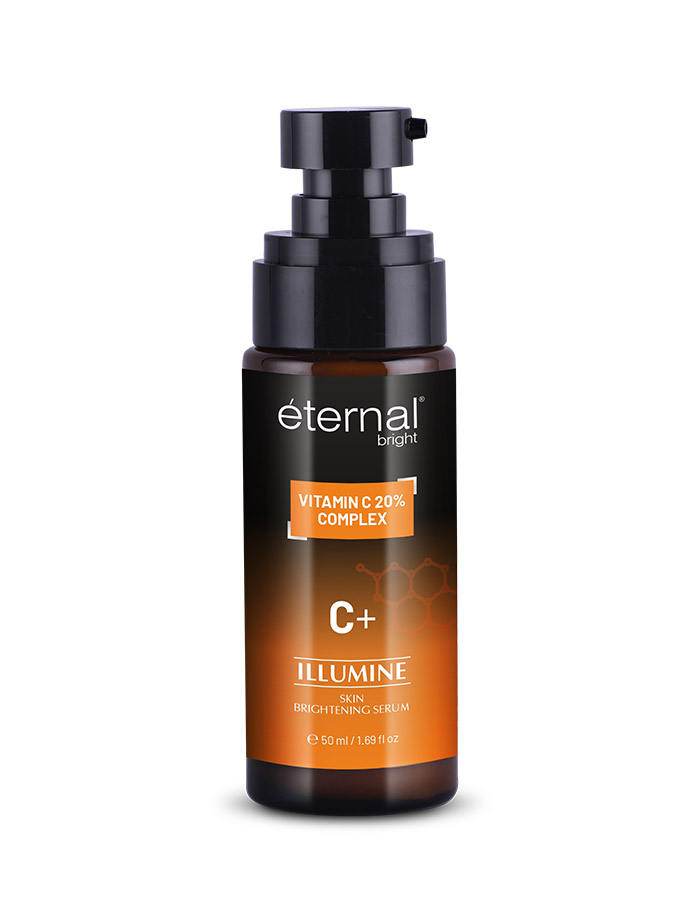
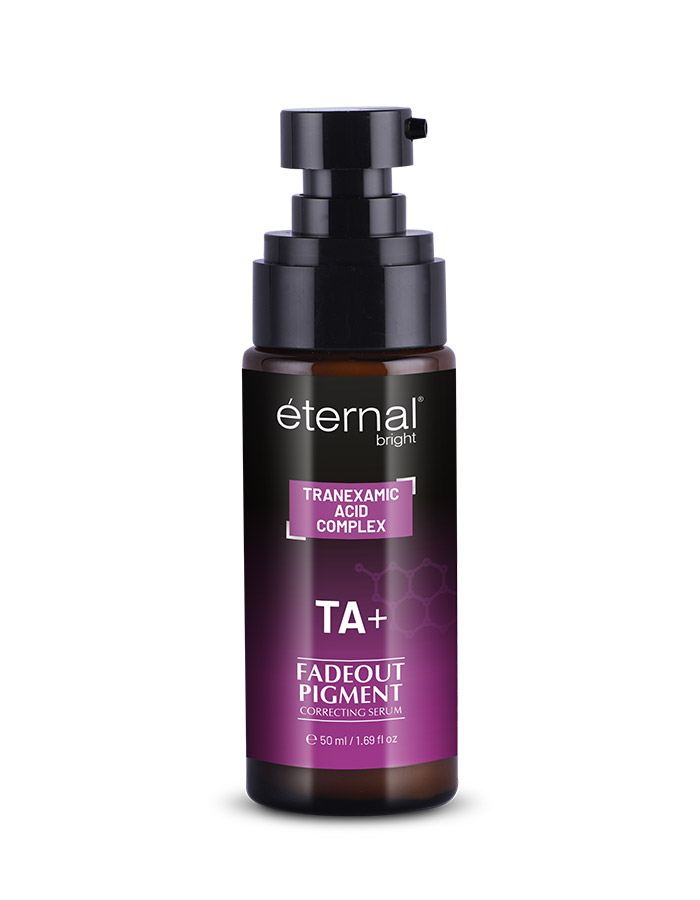
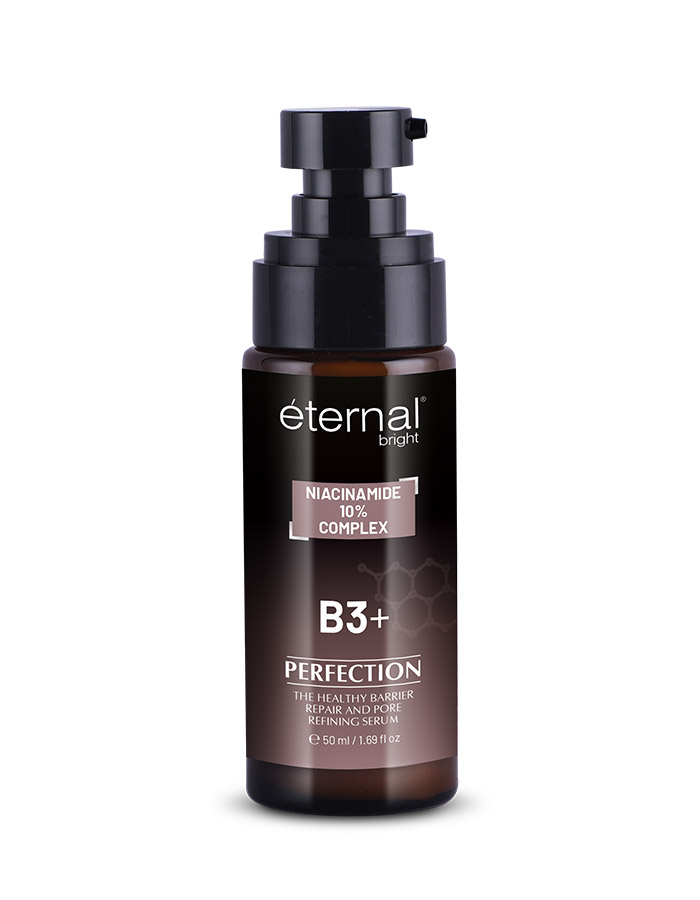
The Eternal Bright Approach to Ageing Skin
Eternal Bright does not believe in:
- Fear-based anti-ageing
- Instant lifting claims
- One-size-fits-all formulas
The brand focuses on:
- Daily dermatology
- Ingredient stability
- Long-term skin resilience
Age gracefully by repairing daily—not by fighting time.
When Will You See Real Results After 30?
Real improvements:
- Texture improves first
- Sensitivity reduces
- Tone evens out
- Lines soften gradually
If a product promises instant youth, it’s not respecting skin biology.
Final Takeaway: Your Skin Didn’t Fail—Your Routine Didn’t Evolve
If skincare has stopped working after 30, it’s because:
- Your skin changed
- Your routine didn’t
Evolving your skincare is not indulgence—it’s intelligence.
If you’re entering your 30s or beyond and want skincare that evolves with your skin, explore Eternal Bright’s daily dermatology solutions designed for Indian skin biology.